How Can A Registered NDIS Provider Build Social Confidence?
Our Latest Post
How Can A Registered NDIS Provider Build Social Confidence?
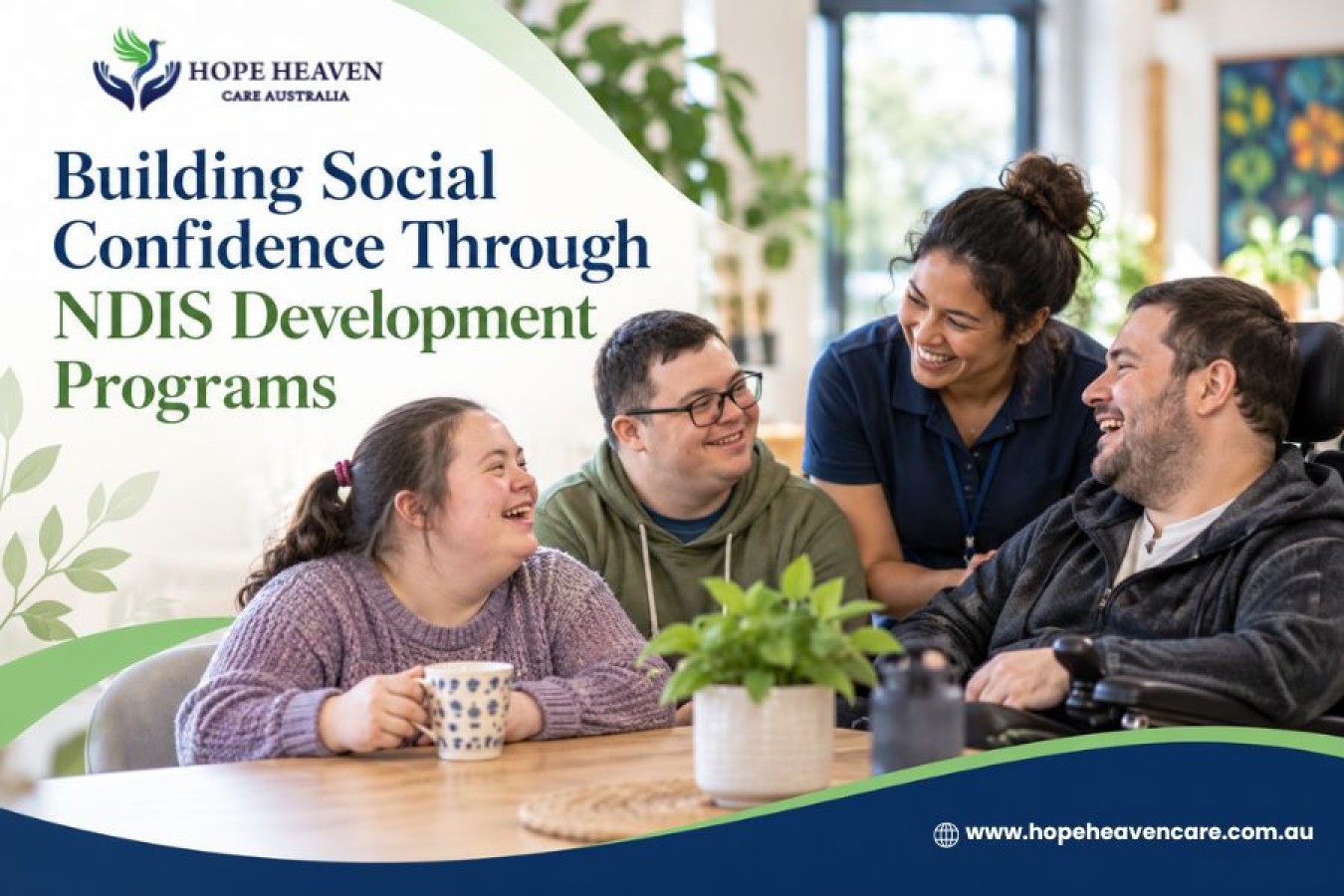
Building social confidence can make everyday interactions feel more comfortable and meaningful. For people with disabilities, developing social skills can support better communication, stronger relationships, and greater involvement in the community.
NDIS development programs are designed to provide personalised guidance that helps participants strengthen these abilities at their own pace. As a trusted registered NDIS provider in Brisbane, Hope Heaven Care Australia can help you navigate the process with compassionate support, practical assistance, and services focused on helping participants achieve greater independence and connection.
Why Social Skills Matter In NDIS Development Programs?
Social skills help NDIS participants communicate better, understand others, and take part in daily activities. These skills support emotional growth, stronger relationships, and increased confidence. With the right guidance, participants can feel more comfortable connecting with family, friends, and the wider community.
Building Confidence Through Social Interaction
Registered NDIS provider in Zillmere offers supportive NDIS development programs where participants can practise conversations, teamwork, and problem-solving skills safely. Regular guidance helps people overcome social barriers, build confidence, strengthen independence, and engage more comfortably with others in everyday community settings.
Supporting Better Communication Skills
Effective communication is an important part of personal development. Social skills programs help participants express their needs, share feelings, and understand different viewpoints. At Hope Heaven Care Australia, personalised support focuses on each person’s abilities, goals, and communication style to encourage positive progress.
Encouraging Community Participation And Inclusion
Registered NDIS provider in Bracken Ridge supports participants through NDIS social development programs that encourage community involvement, meaningful connections, and friendship building. These activities promote inclusion, improve wellbeing, and help individuals develop confidence while participating comfortably in diverse social environments and community experiences.
The Role Of NDIS Support Workers
Support workers play an important role in helping participants develop social skills. They provide encouragement, guidance, and practical assistance during activities. As a registered NDIS provider in Chermside, Hope Heaven Care Australia focuses on creating supportive experiences that help participants achieve their personal goals.
Developing Skills For A More Independent Future
Social skills are valuable life skills that support independence and personal growth. Through structured NDIS development programs, participants can learn how to manage social situations, build relationships, and take part in community life with greater confidence and comfort.
Building Emotional Confidence Through Personal Development
Emotional confidence helps NDIS participants manage feelings, handle challenges, and develop positive relationships. Personalised development programs provide encouragement and practical strategies to strengthen self-awareness and resilience. With support from a registered NDIS provider in Mango Hill, participants can build confidence and achieve greater independence in daily life.
Improving Everyday Social Problem-Solving Skills
Social problem-solving skills help participants respond effectively in different situations and make confident decisions. NDIS development programs offer guided activities that encourage teamwork, communication, and adaptability. Support from a registered NDIS provider helps individuals practise these skills in safe and supportive environments.
Creating Opportunities For Meaningful Connections
Meaningful connections can improve wellbeing, confidence, and overall quality of life for NDIS participants. Development programs encourage social engagement through activities, community involvement, and relationship building. A registered NDIS provider in Deception Bay delivers personalised assistance to help participants create stronger connections and enjoy greater inclusion.
Strengthening Confidence Through Supported Learning
Supported learning opportunities help NDIS participants develop social abilities, communication skills, and confidence in everyday situations. Through personalised guidance and practical activities, a registered NDIS provider helps individuals overcome challenges, build independence, and create positive experiences that encourage personal growth and community involvement.
Concluding Note
Social skills help people with disabilities build confidence, communicate effectively, and connect with others. Through personalised support, participants can develop essential life skills and increase independence. Hope Heaven Care Australia, a trusted registered NDIS provider in North Lakes, supports meaningful growth and community participation.
Empowering Lives Daily
Contact Hope Heaven Care Australia at 0406088001 or email info@hopeheavencare.com.au to access personalised NDIS support from a trusted registered NDIS provider committed to helping you achieve your goals.
People Also Ask
What Are Social Skills Development Programs Under The NDIS?
Social skills development programs under the NDIS help participants learn practical ways to communicate, interact, manage relationships, and take part in social activities. These programs are planned around individual needs, abilities, and personal goals.
Who Can Benefit From NDIS Social Skills Support?
Children, teenagers, and adults with disability benefit from NDIS life skills development support, building confidence, friendships, group participation, and comfort in social situations better.
How Do Social Skills Programs Support Daily Living?
Social skills programs can make everyday tasks easier by helping participants communicate clearly, express their needs, make decisions, and respond confidently in different situations they may experience.
Can Social Skills Training Help With Emotional Regulation?
Yes, social skills training through NDIS life skills development supports emotional regulation by helping participants understand emotions, recognise cues, and learn appropriate responses during interactions.
Are NDIS Social Programs Personalised For Each Participant?
Yes, NDIS social programs are designed according to each participant’s goals, interests, communication preferences, and support requirements. This creates a more comfortable and effective learning experience.
What Activities Are Included In Social Skills Development Programs?
Activities in NDIS life skills programs include group sessions, community visits, role-playing, exercises, and practical experiences that build communication, confidence, independence, and teamwork skills.
How Can Social Skills Improve A Participant’s Confidence?
Regular practice in supportive environments helps participants feel more comfortable when speaking with others, joining activities, and trying new experiences, which can gradually improve confidence.
Can NDIS Social Skills Programs Help Participants Make Friends?
Yes, NDIS daily living skills development programs help participants connect, share experiences, build friendships, and develop meaningful relationships through supported social activities and opportunities.
How Do Support Workers Encourage Social Development?
Support workers help participants by providing guidance, encouragement, and opportunities to practise social skills. They also respect individual choices and support each person’s unique development journey.
Why Are Social Skills Important For Community Involvement?
Social skills through development life skills NDIS support participants in gaining confidence, accessing community services, joining activities, and creating stronger connections with people around them.
How Long Does It Take To Improve Social Skills?
Every participant develops at their own pace. Progress depends on personal goals, regular participation, individual abilities, and the type of support provided.
Can Families Be Involved In Social Skills Development?
Yes, NDIS skills development and training enables families and carers to encourage communication, celebrate achievements, and support participants practising skills beyond structured sessions.
What Goals Can Social Skills Programs Help Achieve?
These programs can support goals such as improving communication, increasing confidence, developing relationships, and helping participants become more active within their communities.
How Is Progress Measured In Social Skills Programs?
Progress in NDIS development life skills can be reviewed through participant feedback, goal assessments, observations, and improved confidence in communication and participation across activities.
Why Choose A Professional NDIS Provider For Social Skills Support?
A professional NDIS provider offers trained support, structured programs, and personalised guidance to help participants work towards meaningful goals and improve their overall quality of life.